

The Power of Perspective: Shifting Your Thoughts to Change Your Reality
Imagine you’re holding a crisp, white sheet of paper in your hands. It’s clean, unmarked—a blank slate full of possibility.
I created this blog to help make nutrition feel simpler and more approachable. Here, you’ll find healthy and practical recipes you can make to help your stay on track. High-protein meals, lower-carb options, or family-friendly recipes that support your specific goals.
Alongside each recipe, I’ll also be sharing nutrition education to help you understand the “why” behind your food choices — from building balanced plates and increasing fibre, to understanding how to fuel your body properly.
If cooking or figuring out what to eat feels overwhelming, you’re not alone. My hope is that this blog helps take some of that pressure off.
Every recipe includes adjustments and simple swaps so you can tailor meals to your preferences and feel confident nourishing your body. Making eating well feel doable, sustainable, and delicious.
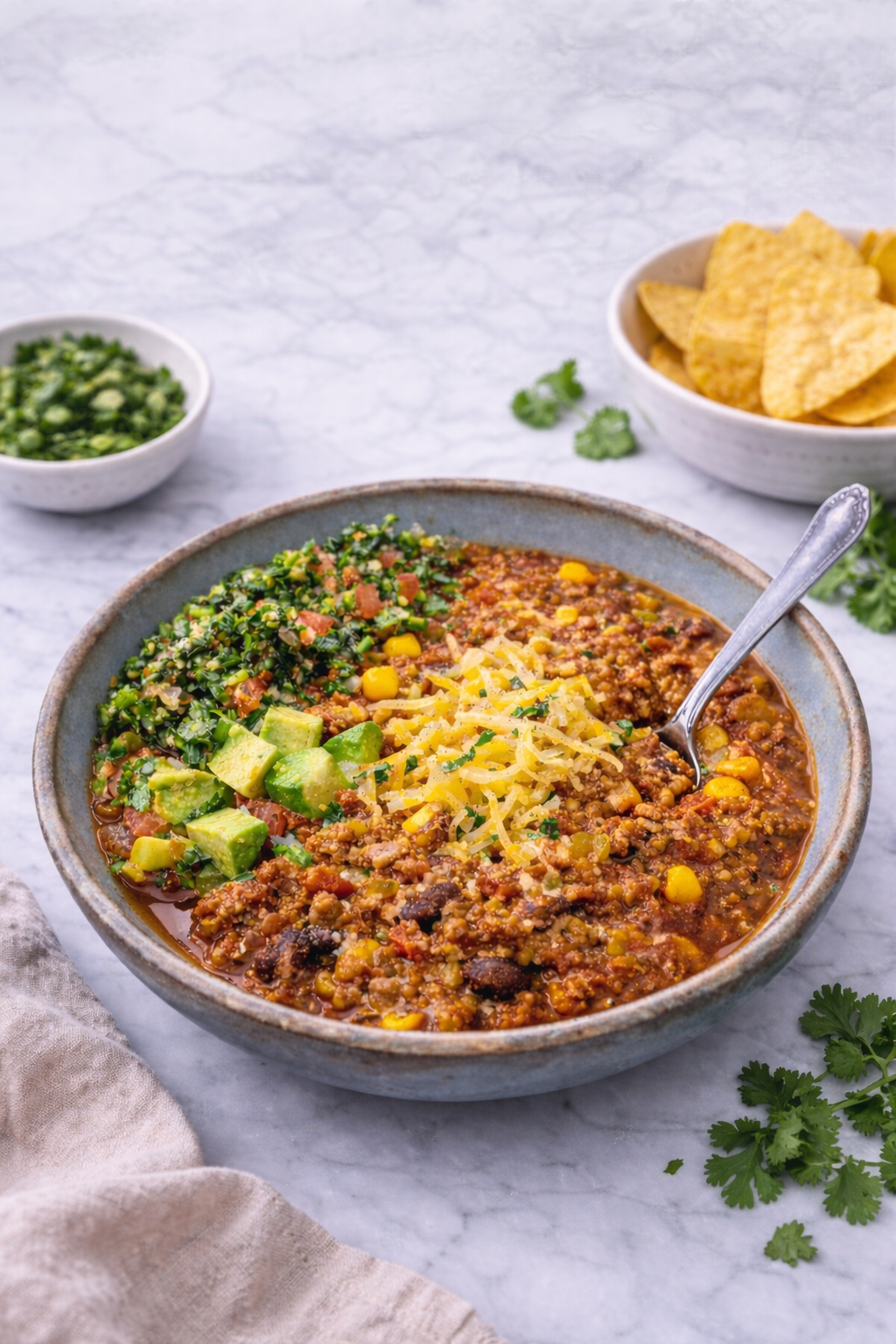
This is one of my go-to, easy recipes that I make on repeat — filling, balanced, and simple to adjust depending on your goals or preferences.
It’s ideal for meal prep, supports steady energy, and helps you build a nourishing plate without complicated ingredients or extreme food rules.
Macros will vary slightly depending on substitutes and serving size.
600g lean ground beef (I used grass fed)
1 cup dry lentils (rinsed)
8oz stewing beef or elk
1 red bell pepper, diced
1 cup fresh or frozen pumpkin (not pumpkin pie filling) - Can sub for sweet potato or carrots.
1-½ cup corn (fresh or frozen)
1 large yellow or white onion, diced
3–4 cloves garlic, minced (I like to add more garlic) 😋
1 large can (796 ml each) crushed tomatoes
2 tbsp tomato paste
2–3 cups broth - I used bone broth to increase protein (adjust depending on thickness preference)
3 tbsp chili powder
1 tbsp cumin
2 tsp smoked paprika
2 tsp oregano
½–1 tsp sea salt (to taste)
Black pepper to taste
Optional: pinch of cayenne, cinnamon, cocoa powder, chilli flakes
In a large heavy-bottomed pot over medium-high heat, lightly sear the 8 oz stewing beef or elk until browned on the outside but not fully cooked through.
Season lightly with salt and pepper while searing.
Remove from the pot and set aside.
Do not wash the pot — those browned bits add depth and flavour.
If anything sticks to the bottom, add a small splash of broth to loosen before adding butter and onions.
Reduce heat to medium and add:
1 tbsp butter or ghee
Diced onion
Cook the onions without salt at first.
Allow them to naturally release moisture and begin browning.
Once they are golden and starting to caramelize, then add a pinch of salt and pepper.
(This allows better browning before drawing out too much moisture.)
Add minced garlic and cook 30–60 seconds.
Add diced bell peppers and cook about 2 minutes until slightly softened.
Lightly season again with salt and pepper.
Remove mixture and set aside.
Increase heat to medium-high and add:
600g extra lean beef (I used grass fed extra lean ground beef)
Season with salt and pepper while browning.
Cook until fully browned. Drain excess liquid if desired.
Add the onion and pepper mixture back into the pot. Cook together 1 minute.
Add:
Chili powder
Cumin
Smoked paprika
Oregano
Optional add ins to boost flavour 1 tbs cocoa / 1 tsp Cinnamon /1/4-1/2 tsp Cayenne pepper / Pinch Chili flakes
Stir and cook 1–2 minutes to bloom the spices.
Add tomato paste and stir until slightly darkened and incorporated.
Lightly season again.
Add:
Crushed tomatoes
1 cup broth
Seared stewing meat
Cooked lentils
Pumpkin
Corn
Worcestershire sauce
Liquid smoke
Stir well.
Add another small pinch of salt and pepper.
Bring to a gentle boil, reduce to low, and simmer 30–40 minutes until:
Stewing meat is tender
Chili thickens
Flavours deepen
Taste and adjust final seasoning at the end.
Avocado
Pico de gallo
Plain Greek yogurt or sour cream
Shredded cheese
Fresh cilantro
Seasoning gradually:
✔ Builds depth
✔ Prevents bland interiors
✔ Avoids oversalting at the end
✔ Enhances natural sweetness of onions
This is one of the simplest ways to make a healthy, lower-fat chili taste rich and balanced.

This chili is nutrient-dense, balanced, and supportive of stable energy.
✔ High Protein (42g per serving)
Supports muscle repair, metabolism, and overall satiety.
✔ High Fibre (14g per serving)
From lentils, pumpkin, and vegetables — supporting digestion and gut health.
✔ Built for Steady Energy
The combination of protein, fibre, and slow-digesting carbohydrates helps keep you fuller longer and prevents sharp energy crashes.
✔ Balanced Carbohydrates
Carbs from pumpkin, lentils, and corn provide sustainable fuel for training, work, and daily life.
✔ Lower Fat, High Nutrient Density
Using extra lean grass-fed beef keeps calories moderate while maintaining iron, B vitamins, and quality protein.
✔ Blood Sugar Supportive
The combination of protein, fibre, and slow-digesting carbohydrates helps prevent sharp energy crashes and keeps blood sugar more stable.
This is a great example of how to build a balanced, performance-supportive meal without cutting entire food groups — just adjusting portions based on your goals.
This recipe works well for:
Individuals working on fat loss who want high protein and high volume
Strength training clients needing adequate protein intake
Busy professionals who want meal prep-friendly options
Families looking for balanced, nutrient-dense dinners
Anyone wanting steady energy without restrictive dieting
Those looking to increase fibre and add more vegetables into their diet in a simple, practical way
Picky eaters who prefer familiar flavours while still improving nutritional quality
Especially helpful if you tend to feel unsatisfied after meals or rely on snacks throughout the day.
Swap the beef for extra lean ground turkey or chicken
Use ground bison of elk if you prefer a leaner red meat option
Increase lentils and add mushrooms for texture
Substitute meat for added lentils - 2 cups cooked
Add 1–2 cups finely chopped mushrooms for texture
Optional: add black beans or kidney beans for additional plant protein
Note: Protein per serving will decrease unless additional plant protein sources are added.
Stir in plain Greek yogurt before serving
Add cottage cheese as a topping
Add hemp seeds for extra protein + healthy fats
To increase volume and micronutrients:
Spinach (stir in at the end)
Zucchini
Mushrooms
Sweet potatoes
Egg plant
Low carb veggie replacements:
To increase total calories carbohydrates/ fats / protein.

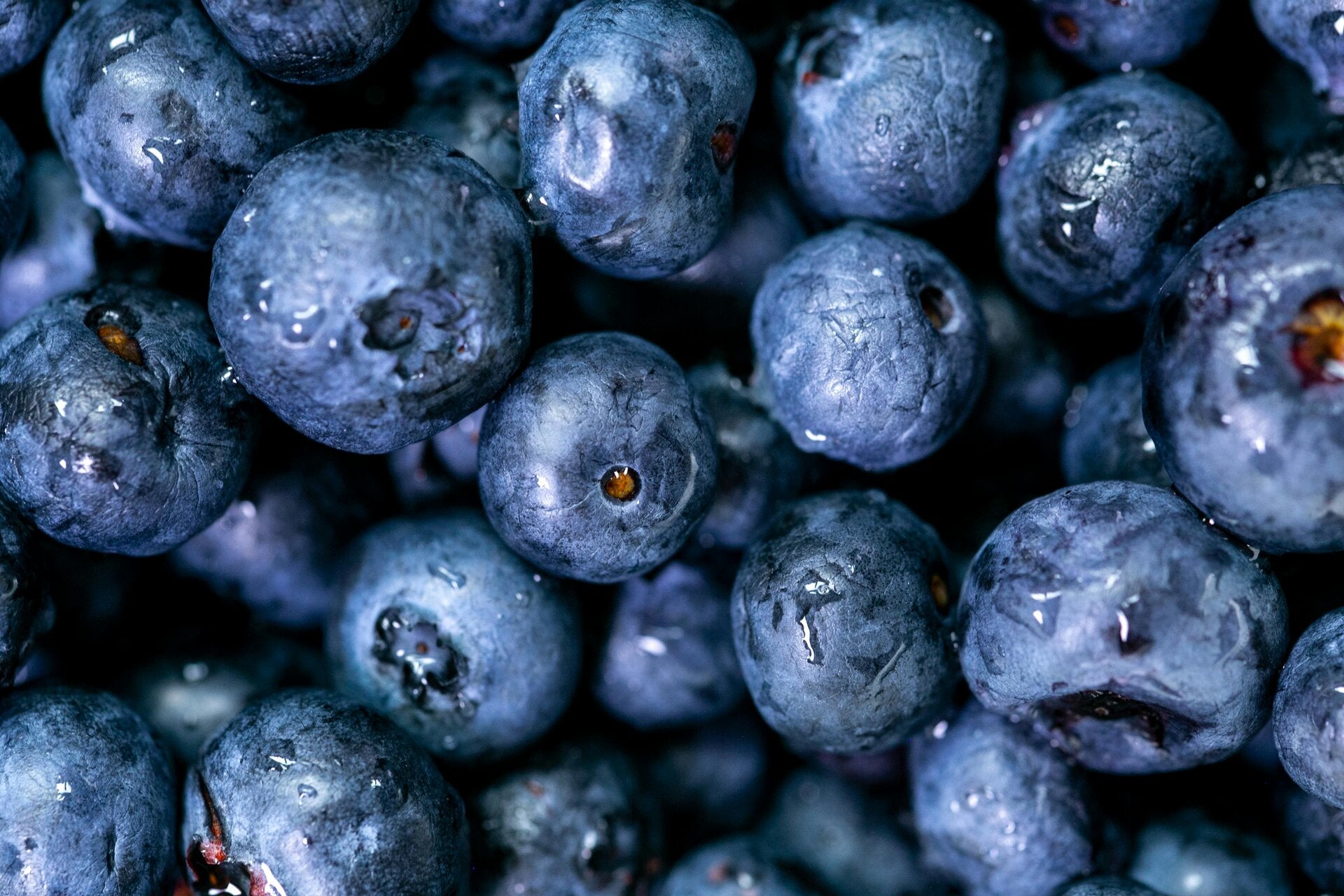
This high-protein blueberry yogurt bowl is a quick and easy! If you're like me and not a fan of plain Greek yogurt, this simple recipe might just change your mind.
Adding your own fruit is a simple way to enjoy flavored yogurt while reducing the added sugars often found in store-bought fruit yogurts.
Plain Greek yogurt naturally contains more protein than most other yogurts, but its sour taste can be unpleasant for many people (myself included), unless it’s used as a substitute for sour cream!
In this recipe, cottage cheese adds extra creaminess, while the warmed blueberries and sweetener help balance the sour flavor. The result is a naturally sweet, creamy yogurt bowl that feels comforting and delicious without relying on heavily sweetened yogurt products.
Packed with about 30g of protein per serving, this yogurt bowl is an easy way to turn plain yogurt into a creamy, flavourful meal or snack.
• Breakfast
• Post-workout recovery
• High-protein snack
• Quick sweet craving fix
Macros will vary slightly depending on substitutes and serving size.
• Honey
• Maple syrup
2. In a separate bowl, microwave the blueberries for about 1 minute, until soft and juicy.
3. Stir your sweetener (stevia, Splenda, honey, or maple syrup) into the blueberries.
4. Pour the blueberry mixture into the yogurt mixture, making sure to scrape in all the juices. Mix until you reach your desired consistency.
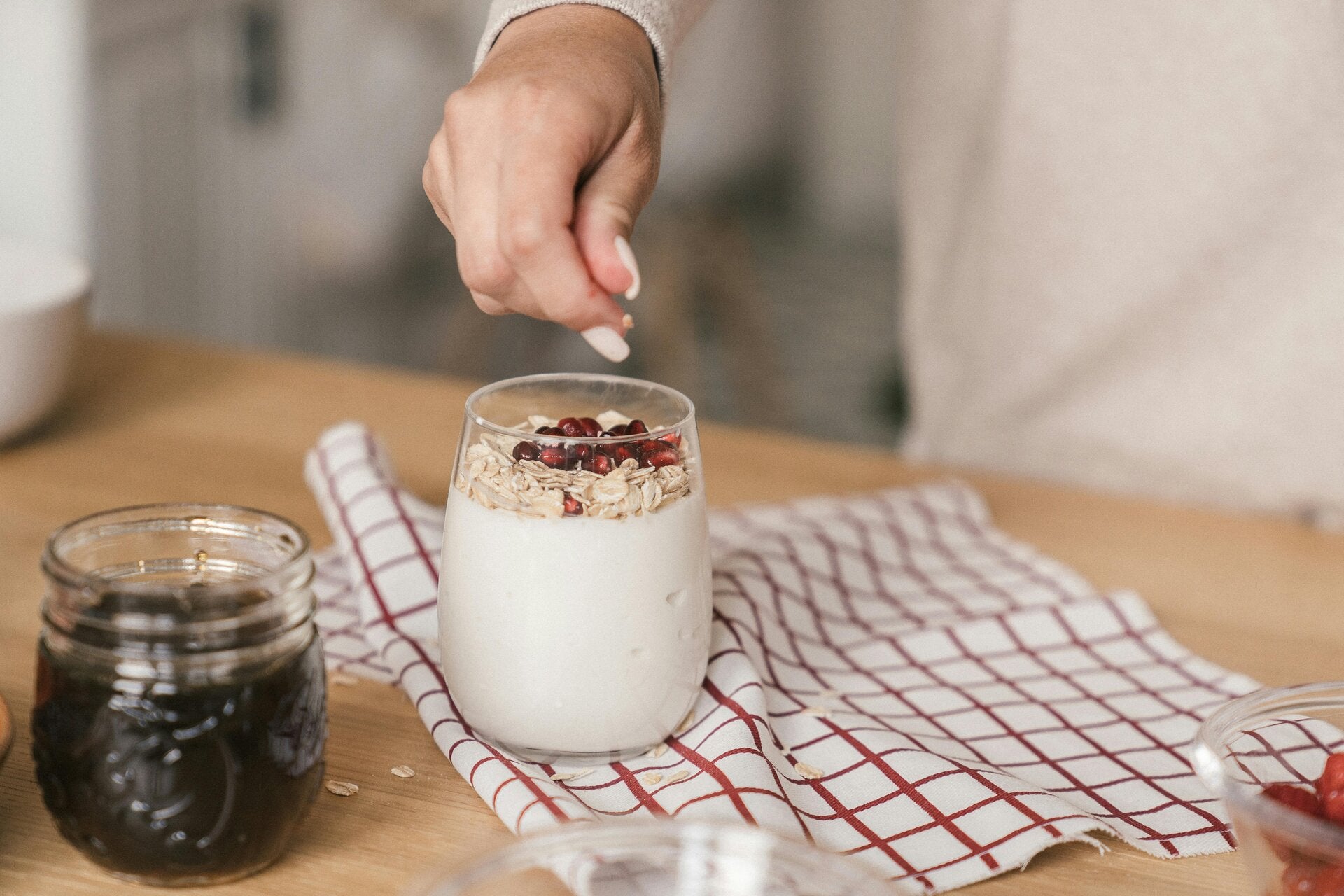
You can use 0% Greek yogurt and 1–2% cottage cheese if you prefer a lower-fat version. The texture will still be creamy, but the bowl will be slightly lighter.
Customize your yogurt bowl with a variety of toppings to add texture, flavour, and extra nutrition. Mix and match based on what you enjoy or what you have on hand.
.

Chia Seeds
Rich in omega-3 fatty acids and fibre, supporting digestion and heart health.
Hemp Seeds
A source of complete plant protein and healthy fats, plus minerals like magnesium.
Dark Chocolate
Adds antioxidants called flavonoids, which support heart health and provide rich flavor.
Coconut Flakes
Provide healthy fats and fibre, adding natural sweetness and crunch.
Chopped Nuts (Almonds, Walnuts, Pecans)
Contain healthy fats, fibre, and protein that help keep you full.
Pumpkin Seeds
Rich in magnesium, zinc, and iron, supporting energy and immune health.
Flax Seeds
High in fibre and omega-3s, supporting digestion and heart health.
Granola
Adds carbohydrates and crunch, making the bowl more satisfying.
Sea Salt
Enhances flavour and helps balance sweetness.
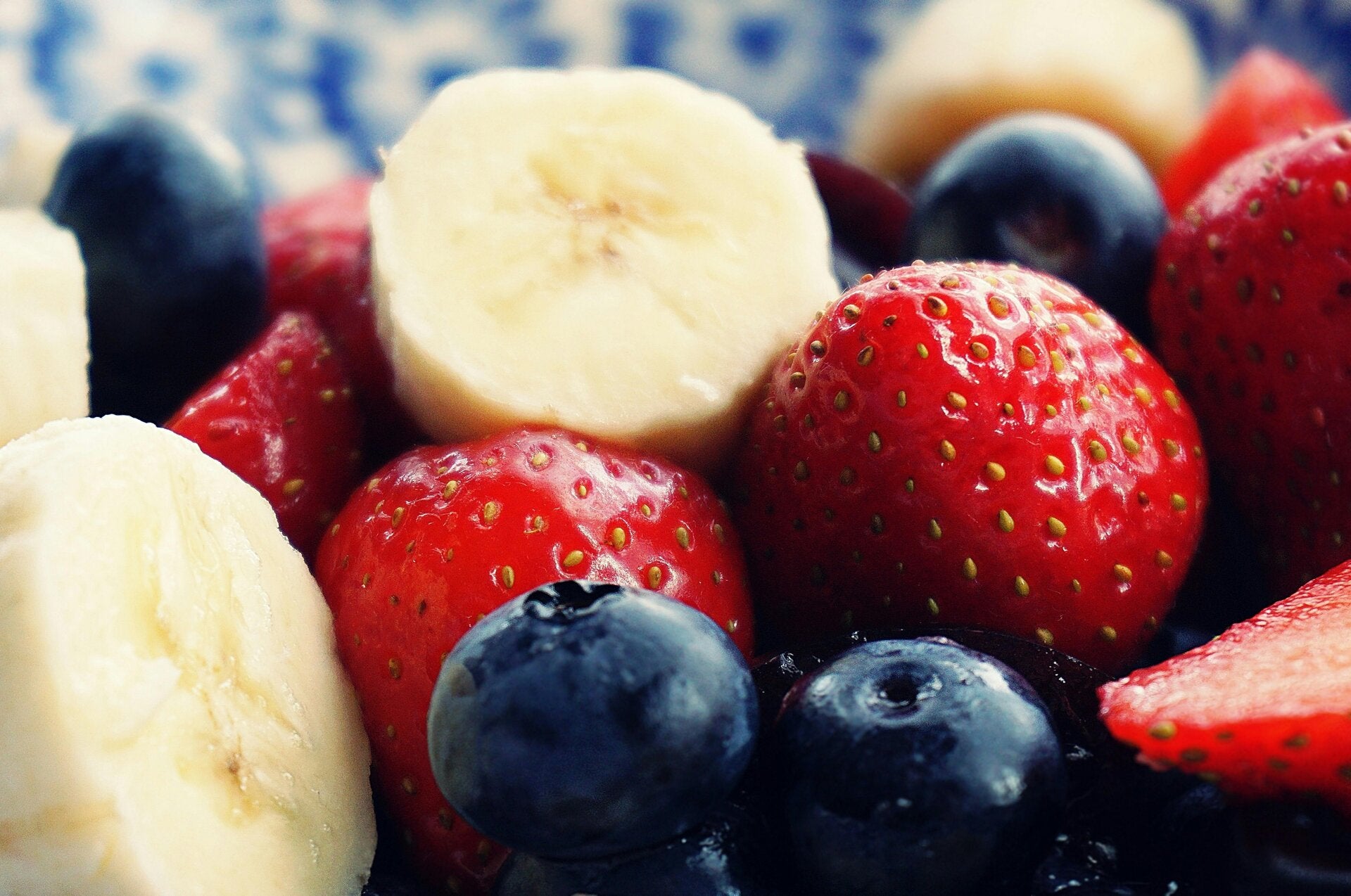
You can easily customize this yogurt bowl depending on what you have on hand.
• Strawberry or Raspberry – swap blueberries for strawberries and/or raspberries .
• Chocolate – add cocoa powder or dark chocolate chips. (melt for chocolate drizzle
• High-Fibre – add chia seeds or flax seeds.
• Higher Protein – mix in vanilla protein powder or extra Greek yogurt.
Some say table salt is toxic.
Others claim Himalayan pink salt is superior.
So what’s actually true?
Let’s break it down.
Salt plays a critical role in many essential body functions:
• Fluid balance
• Nerve signalling
• Muscle contraction
• Blood pressure regulation
• Exercise performance
Without adequate sodium, you can experience
• Fatigue
• Headaches
• Dizziness
• Poor workout performance
Sodium is an essential electrolyte that helps regulate fluid balance, nerve signalling, and muscle contraction throughout the body.— the issue is excess, not existence.


Himalayan pink salt contains trace minerals, including
• Potassium
• Magnesium
• Iron (which gives it the pink color)
I
t contains trace amounts of potassium and other minerals — but in very small quantities.”
That avoids the impression it meaningfully impacts electrolyte balance.
However — and this is important — the amounts are very small. You would need extremely large amounts of pink salt to meaningfully increase potassium intake.
So while pink salt is less processed and aesthetically appealing, it is not a significant source of minerals.
Best Used for
• Finishing dishes
• Light topping
• When you want a milder flavour
Its coarser texture makes it easier to control and less sharp in taste.
Nutritionally, Himalayan pink salt is not significantly healthier than regular table salt, as the trace minerals are present in very small amounts.

Sea salt is produced by evaporating seawater and is typically less processed than refined table salt.
Because it is minimally refined, it may retain trace minerals such as magnesium, potassium, and calcium — though these are present in very small amounts and do not meaningfully impact overall mineral intake.
Sea salt is usually coarser in texture, which can make it easier to control when seasoning foods.
How it differs
• Typically less refined than table salt
• Often has a slightly more complex flavour
• Larger crystals depending on the variety
• Usually not iodized
Best used for
• Finishing dishes
• Seasoning meats and vegetables
• Cooking when a slightly milder, less sharp saltiness is desired

• Highly refined
• Finely ground
• Often iodized
• Contains anti-caking agents
Because it’s very fine, it dissolves quickly and can be easier to overuse.
High sodium intake can contribute to elevated blood pressure in salt-sensitive individuals.
• Not everyone is salt-sensitive.
• Most excess sodium intake comes from processed foods — not salt added during home cooking.
For people with hypertension or kidney disease, sodium moderation is important.
For healthy, active individuals eating mostly whole foods, moderate use in cooking is generally not the same concern.
Table salt is often iodized — which helps prevent iodine deficiency and supports thyroid function. If you do not consume seafood regularly, iodized salt can actually be beneficial.

Grey salt is harvested from clay-lined salt ponds, giving it a grey colour and slightly moist texture.
It contains trace minerals and retains more natural moisture.
• Slightly lower sodium concentration by weight due to moisture
• Earthier flavour
• Softer saltiness
Great for:
• Finishing meats
• Sprinkling over vegetables
• Rustic dishes
Because of its moisture content, it’s not ideal for baking but works well as a finishing salt.

Nutritionally, the differences are small.
What matters more
• Total sodium intake
• Overall diet quality
• Activity level
• Blood pressure status
• Iodine intake
If you eat mostly whole foods and are physically active, moderate salt use in cooking is not the same as consuming high-sodium processed food.
In the late 20th century, research linked high sodium intake to increased blood pressure. Public health messaging simplified this to “reduce salt.”
The problem?
Most excess sodium in our diet comes from processed and restaurant foods — not salt added to whole-food cooking.
Most sodium overconsumption comes from
• Processed foods
• Restaurant meals
• Packaged snacks
Not from seasoning home-cooked, whole-food meals.
Media headlines amplified fear, often without context around activity level, overall diet, or individual salt sensitivity.
Like many nutrition topics, nuance was lost.
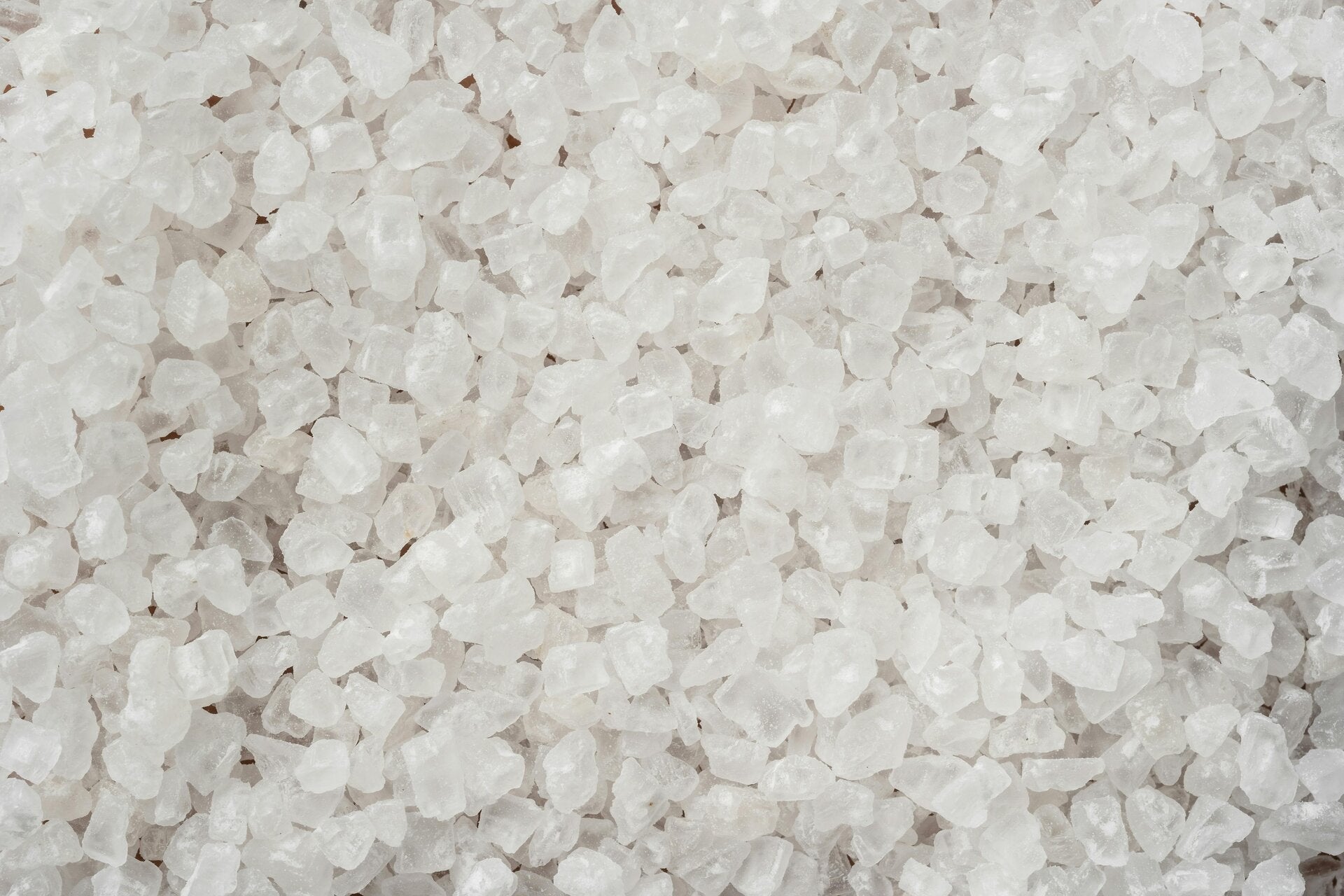


Electrolytes like sodium, potassium, magnesium, and sodium help regulate fluid balance throughout the body. Sodium acts as the primary regulator of fluid balance, helping maintain blood volume and supporting communication between cells.
Without adequate sodium, increasing water intake alone can dilute electrolytes and disrupt this balance.
Hydration is best understood as a balance between water and electrolytes — not simply the amount of water consumed.
• Frequent headaches
• Dizziness when standing
• Muscle cramps
• Heavy sweating
• Low blood pressure
• Poor exercise intolerance
• Fatigue during workouts
• Brain fog
• Strong salt cravings
• Feeling weak or “flat"
• Lightheadedness post-exercise
• Poor recovery after training
General Daily Guidelines
1,500 mg sodium ≈ about ⅔ teaspoon salt
2,300 mg sodium ≈ about 1 teaspoon salt
However, needs vary depending on:
• Activity level
• Sweat rate
• Climate
• Medical conditions
• Pregnancy
• Overall diet quality
Someone training multiple times per week or sweating regularly may have higher sodium needs than someone sedentary.
Hydration isn’t just about drinking more water.
Sodium helps regulate how fluid moves in and out of cells while supporting proper nerve signalling and muscle contraction.
When sodium intake is too low relative to fluid intake, electrolyte balance can become imbalanced.
On the other hand, consistently consuming very high amounts of sodium, particularly from highly processed foods, may contribute to symptoms such as:
• Increased thirst
• Water retention or bloating
• Elevated blood pressure in some individuals
• Headaches
• Feeling puffy or swollen (especially in the hands or face)
Highly processed foods often contain large amounts of sodium while providing fewer nutrients like potassium, magnesium, and fibre — minerals that help support healthy fluid and electrolyte balance.
Hydration is about balance — not just volume.
Water and sodium work together 🤝
If you have pre-existing medical conditions or are on medication, consult your healthcare provider before adjusting sodium intake.


• Sodium is an essential electrolyte required by every cell in the body
• Individual sodium needs vary based on activity level, sweat rate, and climate
• Too little sodium can lead to fatigue, dizziness, and poor exercise performance
• Excess sodium intake often comes from highly processed foods
• Hydration requires both water and electrolytes
Lasting change begins within.
If you find yourself constantly starting over, it's not a lack of discipline — it's the way you your thoughts shape your actions.
👇👇Continue reading👇👇
19 Feb 2025 11:43
Imagine you’re holding a crisp, white sheet of paper in your hands. It’s clean, unmarked—a blank slate full of possibility.
Create Your Own Website With Webador